
Roof leaking or a tree on your house? Call GRT Roofing at (440) 739-7672 for 24/7 emergency tarping and storm damage repair in Rocky River. We stabilize your roof fast, then handle the insurance documentation for you.
When a storm tears across Rocky River, your roof takes the first hit. High winds off Lake Erie, summer hail, and falling limbs from the city’s mature tree canopy can lift shingles, puncture decking, and open your home to water in minutes. GRT Roofing has protected homes across the Cleveland area for over 25 years, and we respond around the clock to storm emergencies in Rocky River — from the lakefront streets of Beach Cliff to the homes lining Old Detroit Road and the tree-shaded lots of the Westwood area.
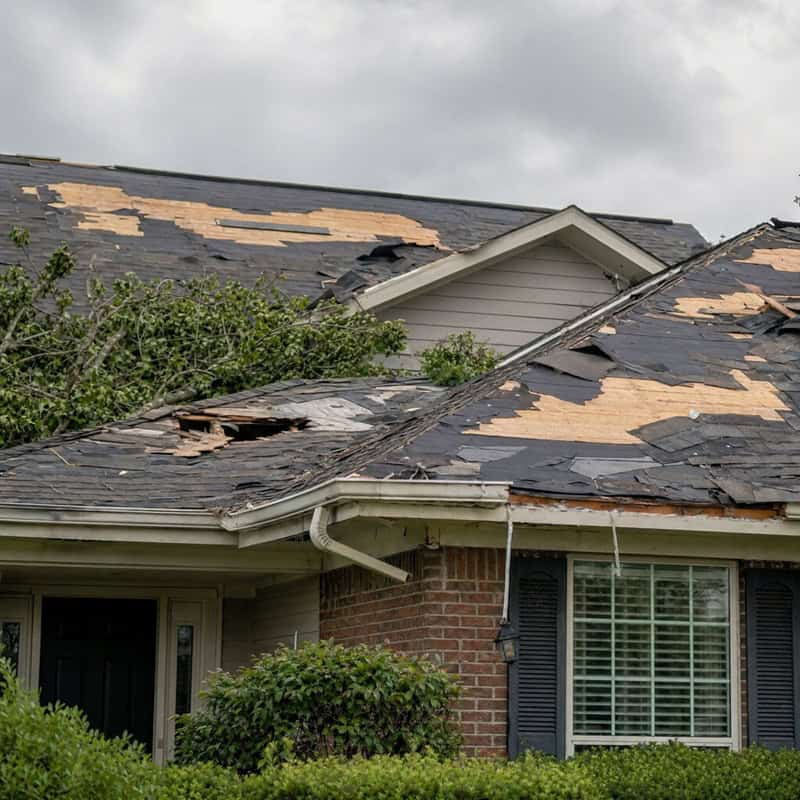
Rocky River sits directly on the Lake Erie shoreline, where storms gather strength over open water before reaching land. Homes near the lake face sustained winds and gusts that drive rain sideways and pry at shingle edges. Inland streets get less direct wind but more tree exposure — and that combination produces the storm damage our crews see most often:
The same towering oaks and maples that make Rocky River neighborhoods beautiful are also the single biggest storm-damage risk to local roofs. When wind loads a large limb, it can snap and fall with enough force to crush decking, not just dent shingles. Even smaller branches cause real damage over a storm season. Here are the tree-related scenarios our crews respond to most:
The same towering oaks and maples that make Rocky River neighborhoods beautiful are also the single biggest storm-damage risk to local roofs. When wind loads a large limb, it can snap and fall with enough force to crush decking, not just dent shingles. Even smaller branches cause real damage over a storm season. Here are the tree-related scenarios our crews respond to most:
Branches that rest on or scrape across the roof in wind wear away granules and shingle surface over time, creating thin, leak-prone spots that often go unnoticed until a leak appears inside.
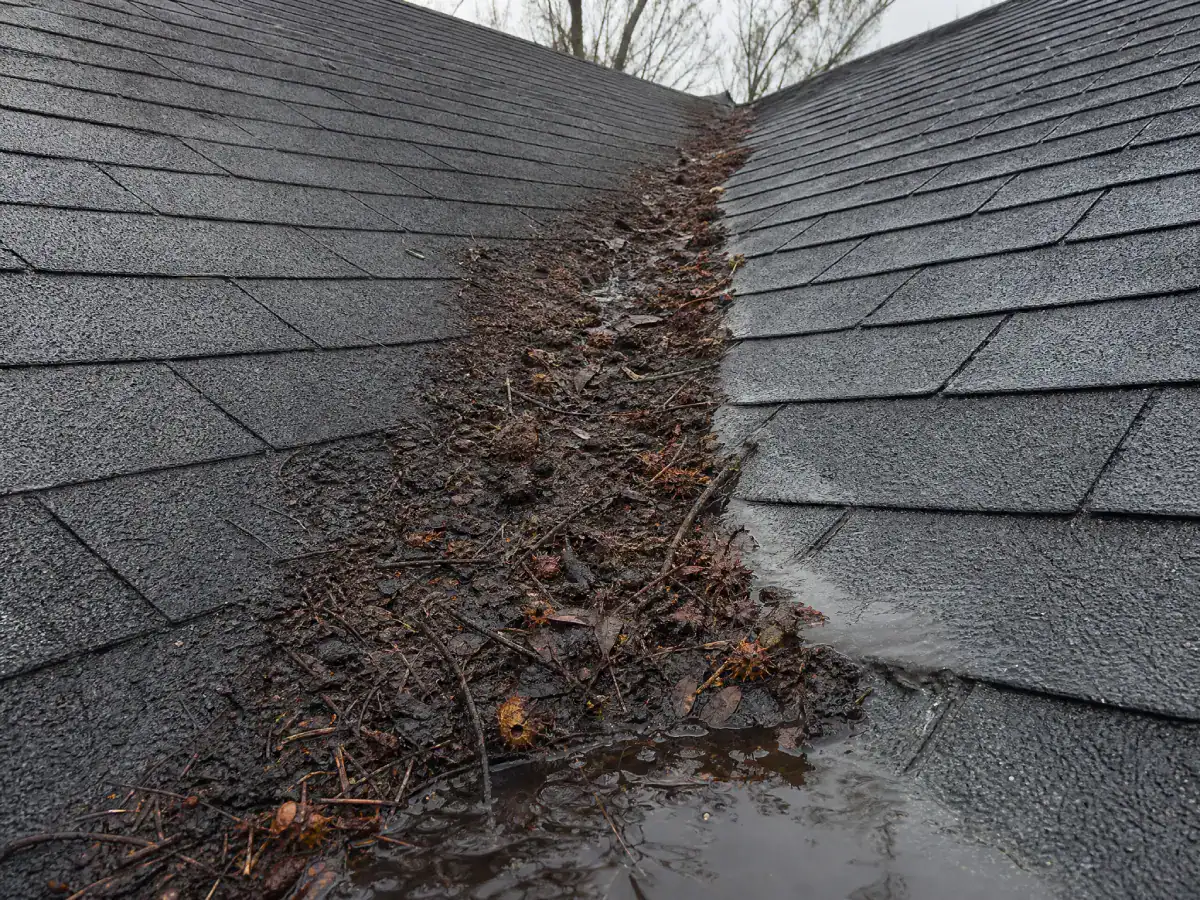
Leaves, twigs, and seed pods from the canopy pile up in valleys and gutters, trapping water against the roof and forcing it under the shingles — a slow leak that surfaces weeks after the storm.


When you call GRT after a storm, here is exactly what happens:
Emergency tarping is usually a few hundred dollars, depending on roof size, pitch, and how much area is exposed. It is one of the most important things you can do after storm damage — and it almost always pays for itself. A properly installed tarp stops water from reaching your insulation, drywall, and belongings, preventing a small roof repair from becoming a major interior loss. Because tarping mitigates further covered damage, the cost is typically reimbursable as part of your insurance claim. GRT provides an itemized tarping cost before any work begins, with no surprises.

Most Ohio homeowners policies cover sudden storm, wind, hail, and falling-tree damage, though deductibles and specific exclusions vary by policy. The claims process goes smoothest when the damage is documented thoroughly and quickly. Here is the path we walk Rocky River homeowners through:
For an overview of how homeowners claims work, the Insurance Information Institute is a helpful neutral resource. For severe-weather alerts and storm history in our area, see the National Weather Service Cleveland office.
Good photos protect your claim. From a safe position on the ground (never climb a storm-damaged roof), capture:
Keep these alongside your tarping receipt and any temporary repair costs — they all support the claim. GRT’s inspection report supplements your photos with professional measurements and the documentation adjusters expect.
Not every storm-damaged roof needs replacement. Use this framework as a starting point — a professional inspection confirms the right call:
Let the claim guide it — if your adjuster approves replacement, GRT will install a new system engineered for Lake Erie wind and Ohio winters.
Don’t wait for water to spread. Call GRT Roofing at (440) 739-7672 for emergency storm damage repair in Rocky River, or request a free inspection today.
We Also Serve Bay Village and the Lake Erie Corridor
GRT Roofing provides storm damage repair across Cleveland’s western lakefront suburbs. If you’re just west of Rocky River, see our Bay Village storm damage roof repair page. You can also explore all of our Rocky River roofing services or our broader storm damage repair services.
GRT offers 24/7 emergency storm response for Rocky River homeowners. After a major storm we prioritize active leaks and exposed roof openings, dispatching a crew to tarp and stabilize the roof as quickly as conditions safely allow.
Move everyone away from the affected room, shut off power to that area if water is present, and call a roofer for emergency tarping. Don’t climb onto a storm-damaged roof yourself. Photograph the damage from the ground before any cleanup so your insurer sees the storm’s full impact.
Most Ohio homeowners policies cover sudden storm, wind, hail, and falling-tree damage, though deductibles and exclusions vary. GRT documents the damage and provides the photos, measurements, and estimate your adjuster needs to process the claim.
Tarping is typically a few hundred dollars depending on roof size, pitch, and the area exposed. It’s usually reimbursable through your insurance claim because it prevents further covered damage. GRT provides an itemized cost before work begins.
Isolated damage to a single slope can often be repaired. Widespread hail bruising, multiple punctures, or damage to an already-aging roof usually points to replacement. A GRT inspection and your insurer’s assessment together determine the right path.
Yes. GRT documents the loss, meets the adjuster on-site when possible, and supplies a detailed scope and estimate so your claim reflects the true cost of restoring your roof to pre-storm condition.
High winds off Lake Erie, summer hail, and falling limbs from Rocky River’s mature tree canopy are the most common causes — producing lifted or missing shingles, granule loss, branch punctures, and damaged flashing.
Hail and wind damage is often invisible from the ground. Warning signs include granules in gutters, dented vents or gutters, ceiling stains, and shingles that look bruised or cracked. A professional inspection confirms damage before leaks appear.
Yes. GRT serves all of Rocky River, including Beach Cliff, the Old Detroit Road corridor, Westwood, and the lakefront neighborhoods most exposed to wind off Lake Erie.
As soon as it’s safe. A tarped roof prevents water intrusion that can turn a minor repair into a costly interior loss, and most policies require you to take reasonable steps to prevent further damage. Acting promptly also keeps your claim timeline on track.